In This Article

The 100-word version. The conversations you wish you had with the people who made you are not the ones about logistics. They are the ones about how they became the person you knew. The 50 questions below are organized into four ritual groupings, their childhood, your childhood from their side, their love and friendships.
What they hope you remember, designed to be asked in 30-minute conversations across four to six visits, not all at once. The point is the conversation, not the questionnaire. This is the launch piece for our Questions for the People Who Made You franchise.
Why these conversations are different
In my experience, you can ask your parents about logistics any time. The will. The accounts. The medications.
Those conversations are necessary and they are not what this piece is about. The conversations this piece is about are the ones nobody puts in the calendar: who they were before you. Who they thought they would become, who they are most proud of being. What they want you to remember.
The reason these conversations are hard to start is that they sound, in the abstract, like you are anticipating losing them. They are not. They are conversations about being a person and being known. The setup that works: the small ritual, the long afternoon, the recorder running.
Group one: their childhood (12 questions)
- What is the first room you remember?
- What did your house smell like on Sunday mornings?
- Who was the adult in your life who was kindest to you when you were small?
- What is a thing you got in trouble for that you would do again?
- What is a small thing your mother said that you still hear?
- What is a small thing your father did that you still do?
- Who was the friend you ran with the most when you were a kid?
- What did you most want to be when you were ten?
- What is a thing you wish someone had told you between the ages of twelve and fifteen?
- What is the meal that means home to you?
- Who was your first big disappointment?
- What is a thing about being a child that nobody talks about anymore that you wish they did?
Group two: your childhood from their side (12 questions)
- What was I like as a baby? Just texture, not facts.
- What is a moment with me you have replayed the most?
- When did you stop worrying about me, even briefly?
- What did you most want to give me that you weren't sure you could?
- What is a moment when I made you proud that you never told me about?
- What is a moment when I scared you that you handled before I noticed?
- What did you learn from raising me that you wish you had known earlier?
- What is a thing about parenting me that you would do exactly the same?
- What is a thing you would do differently?
- What is a moment with my sibling that I should know about?
- What is a song or a smell or a place that brings me back to you when I am not there?
- What is a thing you hope I am teaching my own kids?
Group three: their love and friendships (13 questions)
- How did you and the person you most loved decide you loved them?
- What is a small thing they did that you think about now?
- Who is the friend who knew the version of you nobody else got to see?
- What is a friendship from your life I never met that mattered most?
- What is a fight you and Mom (or Dad) had that you handled well, looking back?
- What is the kindest thing someone did for you that nobody else knew about?
- What is the kindest thing you did for someone that you never told anyone?
- What is the relationship you wish you had repaired and didn't?
- What is the relationship you did repair that you are most proud of?
- Who was the love that did not work out, and what did you take from it?
- What is a moment of your friendship with my dad/mom you want me to know about?
- How did you know you wanted to be a parent?
- What is the friendship you have lost touch with that you would call back if you could?
Group four: what they hope you remember (13 questions)
- What is the thing you most want me to remember about you?
- What is the lesson you want me to teach my kids?
- What is a story you want said at your funeral that nobody else knows?
- What is a song you want played?
- What is a place you want one of us to go to in the years after?
- What is a meal you want one of us to make on a holiday for you?
- What is the thing you are proudest of in your life that nobody knows is your proudest?
- What is a piece of advice you would give the version of me at the age I am now?
- What do you want me to forgive myself for?
- What is the version of me you most wanted to see, and have you seen it?
- What is the part of you that is now in me that you most love?
- If you could leave one short letter in my house, in a drawer, what would it say?
- What is the thing about your life that, if I asked nobody else, I should know?
How to actually do this (the calendar)
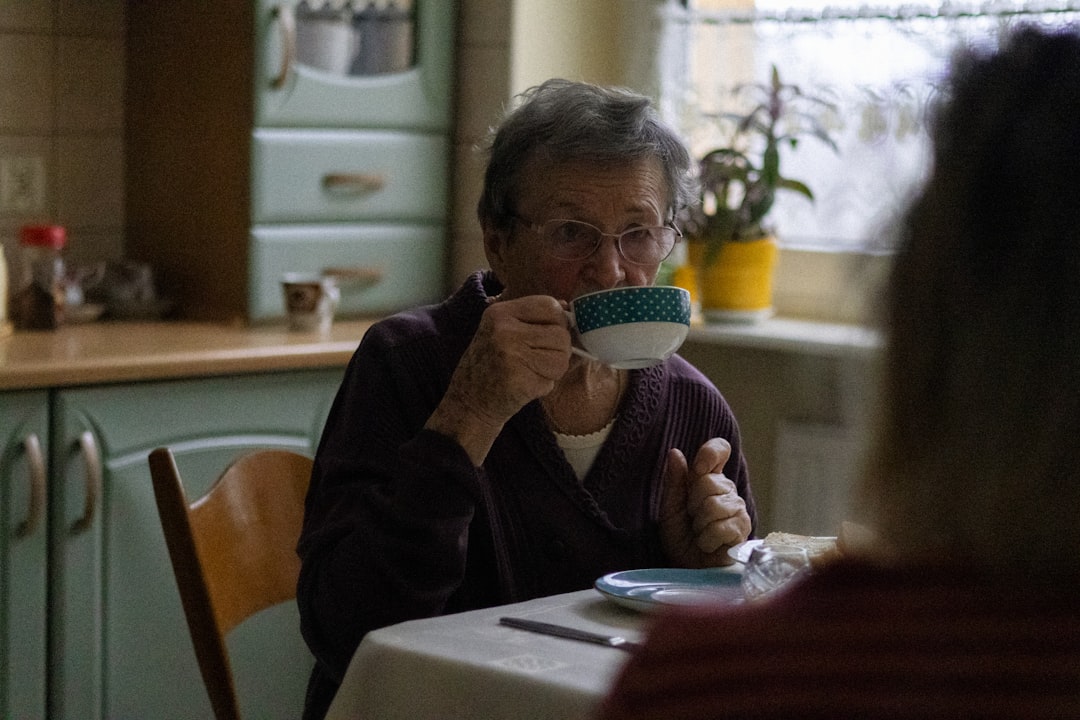
In my experience, spread the conversations across four to six visits. One group per visit. Sundays work best because nobody has to rush home. The right setup is the kitchen table or the back porch, not the formal living room.
Coffee, tea, the dog at your feet. The recorder running.
Plan the first visit for the easiest group (their childhood). The questions get more emotional as the groups go. Group four, what they hope you remember, should be the last one, ideally not until you have done the other three.
What makes these conversations actually happen
- Name the visit as the visit. Don't just “happen to ask.”
- Ask permission to record. Voice memo on a phone is enough.
- One group per visit, spread across four to six Sundays.
- Start with the easiest group (their childhood). End with the hardest.
- Don't fill silences. They are usually still working out what they want to say.
- After: write three sentences about what surprised you. Save the recordings.
Frequently asked questions
What if my parent doesn't want to do this?
You will find that don't push. Try one question at a regular dinner. If they don't want to engage, the project is not for them. Some parents would rather be remembered through their actions than their answers. I have a related piece on questions to ask a guy if that is what you came here looking for. I have a related piece on weird questions to ask if that is what you came here looking for.
What if the answers are sad?
You will find that some will be. The point of the exercise is to know them. Sit with the sadness. Don't try to repair it on the spot.
Should my siblings be part of this?
You will find that optional. Some siblings want to be in the room. Some prefer to receive the recordings later. Ask first.
What do I do with the recordings?
In my experience, save them in three places (phone, laptop, cloud). For longer-term: transcribe the most important moments and put them in a small printed book. Many families find the transcript matters more than the audio after a few years.
Is this morbid?
You will find that it is the opposite. Most parents who do this come away saying it was the best afternoon they spent with their kid in years. It is a celebration of who they have been, not an anticipation of who they won't be.