In This Article

The 100-word version. A love letter that lands does four things: it names what is true now. References one specific moment only the two of you remember, says what they have made possible in your life that nothing else has. Ends with the small future you most want with them.
The genre is built on specificity. The most common failed love letter is too abstract, beautiful sentences that could have been written to anyone. Write the letter only you could have written. Below: the four-part structure, three real-tier examples, and the lines to delete from your draft.
Why love letters are different from love texts
In my experience, a love letter is not a long love text. The structure is different. The pacing is different. A love text is fast and emotional.
A love letter is slow and detailed. It is a record of who you are to each other on the date you wrote it.
The reader will likely keep it. That changes how you write. Every line should be one you would not mind them rereading in five years.
The four-part structure
Part one: name what is true now (50 to 100 words)
In my experience, open with a sentence about how you feel about them today, this season. Not the abstract feeling. The current one. Lines like these work:
- “I have been thinking about how lucky I have been to come home to you this fall.”
- “I keep noticing how steady you are. I want you to know I notice.”
Part two: reference one specific moment (100 to 200 words)
In my experience, this is the section that does the heavy lifting. Pick one moment from your shared life that the two of you remember. Not the obvious one (the wedding, the engagement). A small one.
The Tuesday in February when they came home with two bags of groceries you didn't ask for. The first time you saw them dance with their dad at someone else's wedding. The walk home from the deli when you realized you were going to marry them.
Tell the story. Use details only the two of you would know. The specific weather. The thing they were wearing.
What you almost said but didn't.
Part three: name what they have made possible (100 to 150 words)
In my experience, what is in your life because of them that would not be there otherwise? Be specific. Not “you make me a better person.” That sentence has been written too many times by too many people.
Try lines like these instead:
- “You made it possible for me to leave the job that was eating me.”
- “You taught me how to walk into a room of strangers without rehearsing.”
- “You are the reason I can be in a long silence with my dad now.”
Part four: the small future (50 to 100 words)
End with the smallest piece of the future you most want with them. Not the big future (we already know we will grow old). The small one. Lines like these work:
- “I want to keep having Sunday morning with you.”
- “I want to be the person you call from the parking lot.”
- “I want a hundred more of those quiet weeknight dinners.”
Three real-tier examples
Example 1: an anniversary letter
It has been four years and I want to write this down because I keep noticing that I do not say it enough.
I have been thinking about that Tuesday in February. When you came home with two grocery bags I had not asked for, the lemons I love. The loaf from the place across town that closes at six. You had taken the long way home for the bread. I have thought about that Tuesday more than you would believe. It is a small moment and it is the entire shape of you.
You are the reason I can be in a long silence with my dad now. You taught me, without ever giving me a lecture, that you can love someone and not need them to fill every quiet with words. I did not know how to do that before you. It has changed almost every relationship in my life. And if a full letter feels too much, my love paragraphs for her land in the 80-200 word window instead.
What I want from this year is the small thing. I want to keep having Sunday morning with you. I want the lemons and the loaf for as long as we get to keep having them. Always, A.
If you are not sure which format to use, I wrote a piece on the love letter vs paragraph vs note that sorts it out.
Example 2: a letter for the move-in
I am writing this in the kitchen of the apartment we have not yet moved into.
The realtor's keys are still in my pocket. The light is doing that thing through the kitchen window where it cuts the room in half. I can hear you on the phone in the hallway, telling your mother we'll be over for dinner Sunday. I also have a set of shorter love letters sorted by emotional register.
You have made me a person who is capable of building something. I did not know that before you. I had been a person who was capable of leaving things, of starting things and walking away from them. You taught me, without saying anything, that you could put your weight down somewhere and stay.
I want to be the person you call from the parking lot of this apartment for the rest of my life. Always, A.
Example 3: the letter you write to make a wedding
I have written this letter four times. The first three were too pretty.
I want to tell you the truth, which is that the moment I knew I was going to marry you was not the romantic one. It was the morning we got back from your mom's funeral and you went straight to the dishwasher. Started unloading it because you said your hands needed to do something. I watched you stack plates and I thought: this is the person.
You are the steadiest person I have ever known. You make it possible for me to be the kind of soft I have wanted to be my whole life. I will spend the rest of our years trying to give you back some version of what you give me on a regular Tuesday.
I want a hundred more of those quiet weeknight dinners with you. Always, A.
What to do once you have written it
- Read it out loud. Cut any line that does not sound like you.
- If it is shorter than 200 words, you may have skipped a section. If it is longer than 700, you have probably padded.
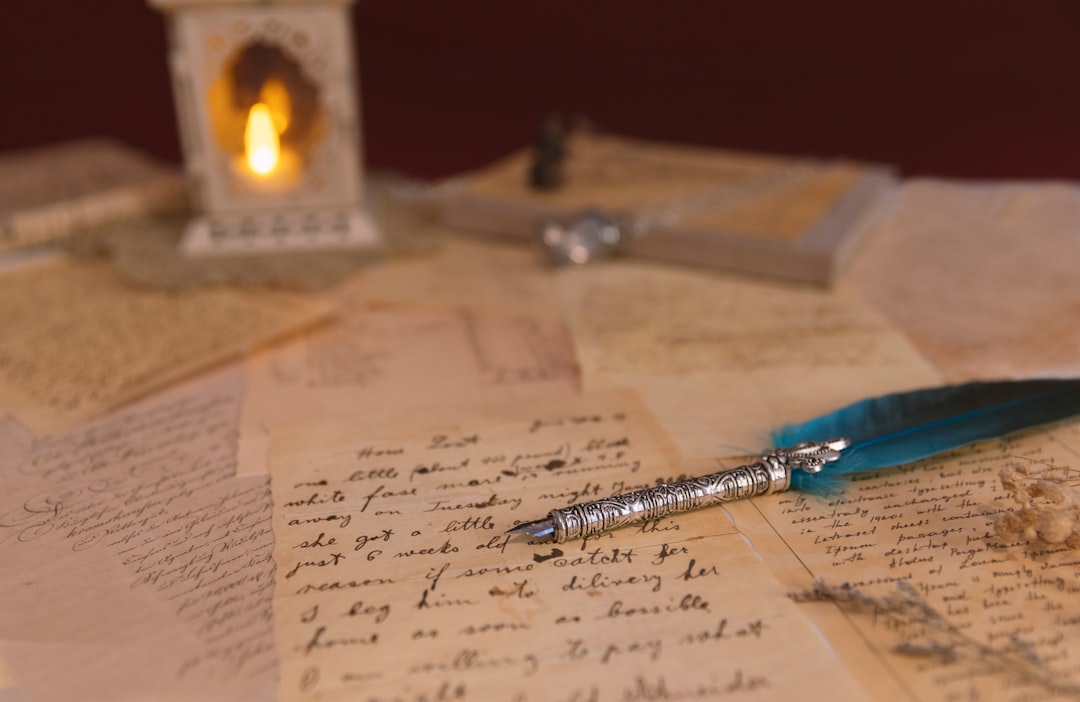
- Hand-write the final version if you can. The handwriting is part of the gift.
- Date it. Sign it with your name, not just an initial.
- Don't read it to them. Let them read it on their own time, in their own voice.
What makes a love letter the kind they keep
- Specificity beats poetry. Write the letter only you could have written.
- Use one specific moment as the core, not the whole arc of your relationship.
- Name what they have made possible. Skip the abstract "better person" lines.
- End with the smallest future you most want, not the biggest.
- Hand-write it where possible. The handwriting is part of the gift.
- Read it out loud before sending. Delete every line that does not sound like you.
Frequently asked questions
How long should a love letter be?
You will find that 300 to 600 words is the right zone for most occasions. Anniversaries can run longer; everyday letters can run shorter. Anything past 700 words usually starts repeating itself.
Should I write the letter by hand or type it?
Hand-write where you can. The handwriting is part of the keepsake. If your handwriting genuinely is unreadable, type it on paper good enough to keep.
What if I'm not a writer?
The four-part structure is forgiving. Use it as a checklist. Specificity is more important than craft. The least “literary” love letters our readers send to columnists are often the ones their partners cry over.
When is the right time to give a love letter?
In my experience, anniversaries, big life moments (a move, a baby, a hard year), or out of nowhere on a Tuesday. The Tuesday letter is often the one they remember most.
Is it okay to write a love letter to someone I just started dating?
Be careful with the four-part structure here. The early-relationship version skips part three and shortens part two. Save the full letter for the moment you actually have the specific shared memory to write about.